Why women’s health feels harder — and why it isn’t a personal failure
At a certain point in adulthood, many high-functioning women arrive at a quiet, unsettling realization:
My body no longer responds the way it once did.
Energy becomes less predictable. Sleep feels fragile. Appetite signals blur. Mood and focus fluctuate despite doing “all the right things.” Weight, digestion, and mental clarity suddenly require disproportionate effort to maintain.
This is not imagined—and it is not a personal failing.
Hormones are low-concentration chemical messengers with extraordinary systemic reach. Across a woman’s lifespan, they shift constantly, responding to reproduction, stress, sleep, fuel availability, and life stage transitions. Fertility treatments, pregnancy, postpartum recovery, perimenopause, menopause, and the invisible labor of modern life all exert real biological pressure.
When these physiological realities collide with contemporary patterns—skipped meals, caffeine-driven pseudo-nutrition, erratic schedules, chronic stress, and insufficient recovery—the outcomes are predictable:
- Blood sugar volatility
- Digestive disruption
- Persistent fatigue and brain fog
- Mood instability
- Gradual metabolic strain
This is not about discipline. It is about biology operating in an environment it was never designed to tolerate.
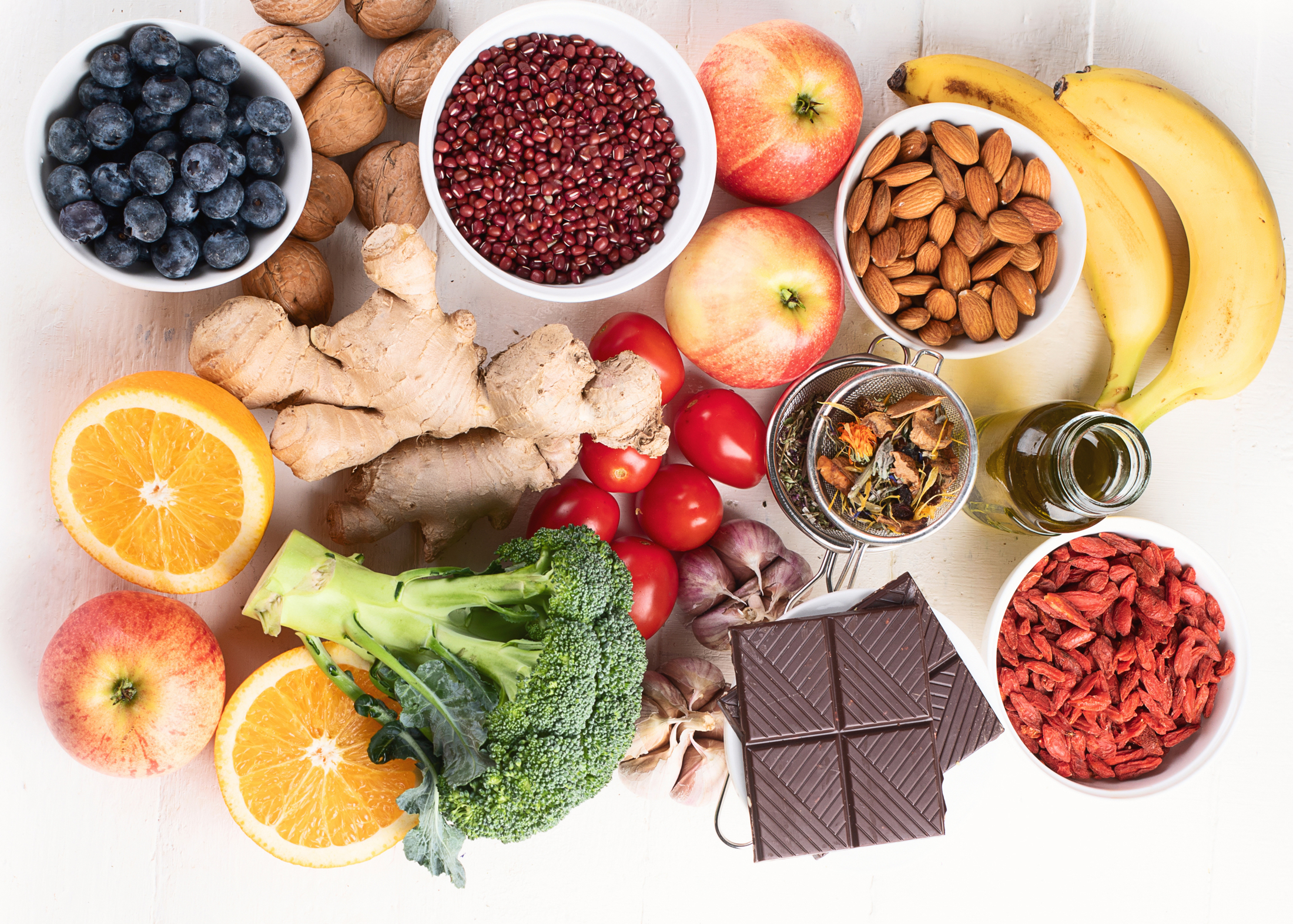
When nutrition is applied strategically—with precision rather than restriction—it becomes one of the most powerful tools for restoring hormonal coherence and metabolic resilience.
If your body feels unfamiliar and conventional advice has failed you, individualized care matters. I work privately with women, couples, and families—virtually, in-office, or in-home—to design nutrition strategies that align with physiology, lifestyle, and long-term health.
Email me directly to begin: hello@essencenutritionmiami.com
Editor’s Note: Having personally navigated fertility treatments and high-risk pregnancies, I bring both clinical rigor and lived understanding to women’s hormonal and metabolic care.